

We believe your car deserves the best — and so do you! Since 1999, we’ve proudly served our community with honest, reliable, and high-quality automotive services.
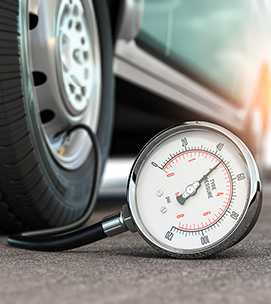
Tires, being an important part of a vehicle, are always under some level of use and thus require frequent check-ups. Look at the tread area to confirm that they have adequate grip and don't see signs of wear, tearing, or cracking and bulging. The tires should have thick treads, as thin threads can be dangerous to drive on, particularly during the rainy season. Maintaining the tire pressure according to the manufacturer's recommendations is also crucial.
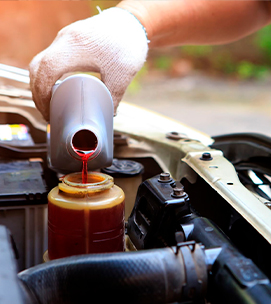
Vehicle fluids are essential for maintaining performance and preventing damage. Regularly check the engine oil, coolant, brake fluid, power steering fluid, and transmission fluid. Low or poor-quality fluids can result in engine overheating, engine destruction, or brake failure. Additionally, keep an eye out for any indications of leakage beneath your car and take immediate action to prevent expensive repairs.
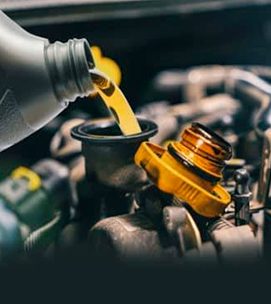
Engine oil holds significant importance as it serves as the lifeblood of an engine. It reduces friction, cool components, and prevents wear and tear. Over time, oil degrades and accumulates debris, reducing its efficiency. It is important to make sure that you change your oil every 3,000 miles or as recommended by your car manufacturer.
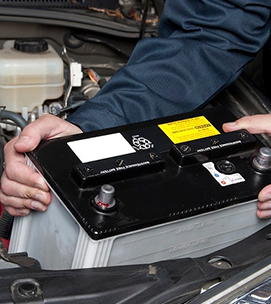
The car battery powers all electrical components, including the starter, lights, and infotainment systems. However, over time they slowly lose their efficiency, especially in extreme weather conditions. Periodic tests ensure their optimal functioning. Dim lights and starting troubles are indications to change batteries. The average battery has a lifespan of 4-5 years, so it's crucial to replace it to avoid any unfortunate issues on the road.
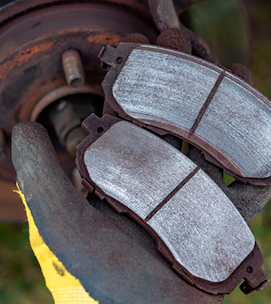
Brake pads are a safety element in a vehicle. They provide the friction necessary for effective braking in your car. If the pads are already worn, one is bound to get a poor braking system and scratch the brake rotors. Keep an eye out for any screeching or other sounds coming from the braking system, as these typically indicate worn-out pads. We recommend inspecting brake pad severity at least once every 12000 miles, and replacing the brake fluid at least every 25000 miles.
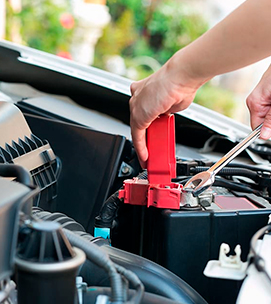
Your car uses belts and hoses to ensure smooth engine operation. A drive belt charges the battery, pumps water or antifreeze, and assists the cooling system by turning the air conditioning compressor when necessary. We use hoses to transport other crucial fluids such as cooling substances and brake fluids, among others. Periodically inspect these components for cracks or frays in their wires and hoses, as well as leaks.
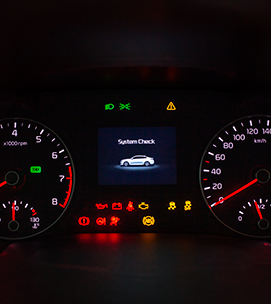
All vehicles feature dashboard warning lights that alert the driver to developing car problems. These lights provide basic information about the functioning of the car, including information about its brakes, oil pressure, battery, engine heat, and many other aspects. Repairing these warning lights immediately is necessary to prevent serious harm or danger to lives. For instance, the engine temperature light, which typically illuminates at night, may indicate a hot engine, while the brake light indicates a brake issue.
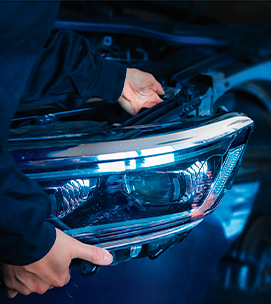
Proper lighting ensures excellent vision and safety at night. Make certain that all the lights in the car, including the headlights, the rear lights, fog lights, and the blinkers, are working. We recommend replacing faulty bulbs as soon as possible to prevent limited visibility leading to a greater likelihood of accidents, particularly at night or in poor visibility conditions. Ensure that you position headlights correctly to reduce glare on other vehicles as well as to improve lighting.
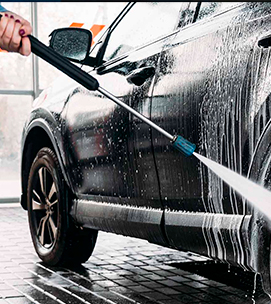
Washing the car has more than a beauty aspect; it actually preserves the car's look. Chemicals like dirt, grime, and road salt can easily erode the paint and cause the metallic parts to rust. Anti-waxing your car every few months offers an added shield against the harshest conditions. Vacuum the interior to maintain cleanliness and prevent odors. Cleaning helps protect your investment, ensuring a higher resale price when necessary.

Smooth gear shifting is crucial for the preservation of your car's transmission and its smooth operation. Sudden acceleration or jerky gear shifts put a lot of pressure on the clutch, gearbox, and overall drive train and therefore result in their early wear. Disengage the clutch as smoothly as possible, then forcefully press another pedal to shift gears. Place your foot away from the clutch to avoid wear and tear.